 By Trenton Sam
Introduction: A Timeless Companion of Strategy and Chance
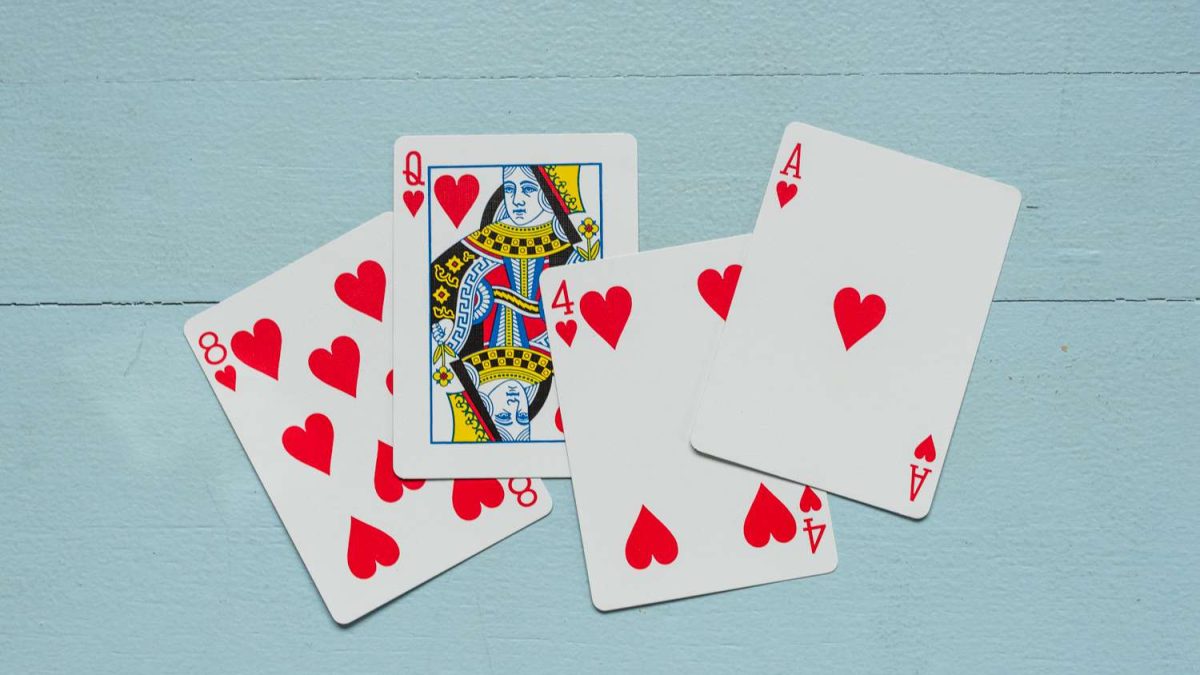
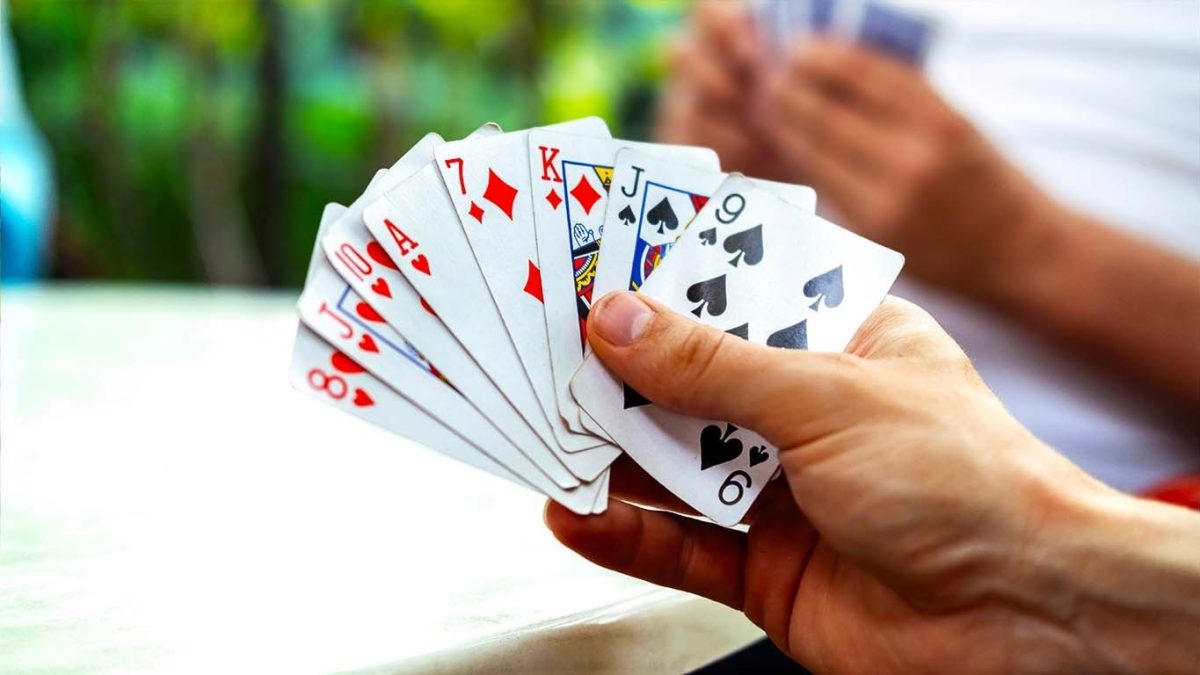
Across centuries and continents, the humble deck of cards has remained a constant in human culture—adaptable, portable, and infinitely versatile. Whether enjoyed in royal courts, smoky gambling dens, or quiet living rooms, card games have consistently served as tools for connection, competition, and contemplation. Unlike many forms of entertainment, they require no electricity, no screen, and no elaborate setup. What they do require, however, is a mind attuned to possibility, a sense of timing, and, in many cases, a mastery of psychology. In essence, card games are more than just pastimes; they are mirrors of the human intellect, behavior, and spirit.
Origins and Evolution: A Deck’s Journey Across Cultures
The story of card games begins in ancient China, where paper playing cards first appeared during the Tang Dynasty. These rudimentary cards evolved through trade routes, reaching the Islamic world and eventually Europe by the late Middle Ages.
-
Chinese Beginnings: Early cards were tied to currency and fortune, often used for both gaming and divination.
-
Islamic and Indian Influence: Symbolism and suit-based systems began to take form as cards made their way westward.
-
European Expansion: By the 14th century, cards were being printed in France, Italy, and Spain, each with unique artistic styles and suit systems. The French eventually introduced the standardized suits we know today—hearts, diamonds, clubs, and spades.
The printing press and mass production in the 15th and 16th centuries democratized card games, allowing them to transcend class boundaries and become fixtures of everyday life across Europe and beyond.
Genres of Card Games: A Universe Within a Deck
One of the most fascinating aspects of card games is their sheer variety. Despite sharing a common structure—a deck of cards—they cater to an extraordinary range of play styles, goals, and social settings.
-
Trick-Taking Games: Games like Bridge, Hearts, and Euchre revolve around the collection of “tricks” or rounds. These games demand foresight, cooperation (in the case of partnerships), and a refined understanding of probability and human behavior.
-
Shedding Games: Examples include Uno and Crazy Eights. The objective is to be the first to discard all cards, emphasizing tempo, tactics, and adaptability.
-
Matching Games: In games such as Go Fish or Rummy, players match cards to build sets or runs. These are ideal for younger audiences or casual settings, offering a balance between luck and memory.
-
Gambling and Casino Games: Poker, Blackjack, and Baccarat belong in this category. With the highest stakes and the most complex psychological elements, these games have elevated card play into a realm of personal finance and professional competition.
-
Solitaire Variants: Played alone, solitaire games like Klondike or Spider offer meditative, logical challenges that often appeal to analytical minds.
Each category contains countless variations, some region-specific and others universal, but all rely on a common language of suits, numbers, and chance.
Strategy and Skill: More Than Just the Luck of the Draw
While beginners often attribute success in card games to luck, experienced players understand the critical role of skill, psychology, and strategic decision-making.
-
Mathematical Thinking: Especially in games like Blackjack or Poker, understanding probabilities, expected value, and statistical patterns can dramatically improve one’s performance.
-
Memory and Observation: Noticing discarded cards, predicting opponents’ next moves, and remembering past plays are crucial to success in trick-based and matching games.
-
Psychological Insight: Bluffing, baiting, and reading non-verbal cues are as essential to high-level poker as knowing when to fold.
-
Discipline and Timing: Knowing when to act, when to hold back, and how to adapt to shifting circumstances distinguishes casual players from seasoned ones.
What emerges is a sophisticated mental exercise—card games are often unwitting training grounds for critical thinking, emotional regulation, and interpersonal insight.
The Social Dimension: Card Games as Cultural Ritual
Perhaps one of the most beautiful qualities of card games is their power to bring people together. They foster conversation, rivalry, and bonding in a way few other pastimes can match.
-
Family Traditions: Many households have a cherished family card game played during holidays or lazy Sunday afternoons. These rituals become intergenerational, often carrying with them a sense of warmth and familiarity.
-
Community and Competition: Clubs and tournaments provide structure for more serious players to compete and socialize, forming communities grounded in shared skill and respect.
-
Cross-Cultural Bridges: Card games, with their universal language of suits and numbers, break down linguistic and cultural barriers. Whether playing a game of Poker in Las Vegas or Scopa in Rome, players around the world find commonality in the deck.
These social functions add an emotional layer to card games, making them not just contests of skill, but shared human experiences.
Card Games in the Digital Age: Reinvention Without Compromise
Far from being left behind in a digital world, card games have embraced technology in creative and compelling ways. Online platforms, apps, and digital tournaments have introduced card games to new generations while preserving the essence of traditional play.
-
Mobile Gaming: Apps have brought games like Solitaire and Poker to millions of phones, offering quick access and customizable experiences.
-
Online Tournaments and Esports: Platforms such as PokerStars and Magic: The Gathering Arena host global competitions, where skilled players can test themselves against elite opponents.
-
Augmented Reality and AI: Innovations like AI opponents and AR interfaces have added new dimensions to gameplay, from advanced training modes to immersive virtual environments.
Digital transformation hasn’t diluted the elegance of card games—it has expanded their reach while maintaining their intellectual and social core.
Why Card Games Endure: A Reflection of the Human Condition
Card games survive not merely because they are fun, but because they embody universal truths. They teach patience, reward courage, punish greed, and celebrate wisdom. They reflect life’s unpredictability, and yet offer tools to navigate it with strategy and grace.
-
Portability and Accessibility: A deck of cards fits in a pocket and offers endless variations—affordable, adaptable, and universally understood.
-
Balanced Complexity: Simple to learn, hard to master—the perfect recipe for lasting engagement.
-
Timeless Relevance: From kings and queens to schoolchildren, card games offer something for every level of experience and ambition.
In a world increasingly obsessed with speed and spectacle, the enduring charm of card games lies in their quiet depth and dignified pace.
Conclusion: The Cards We Hold, The Stories We Share
A deck of cards may seem humble at first glance—52 pieces of printed paper. But in the hands of players, it becomes a theater of strategy, luck, connection, and tradition. Card games invite us to think, to feel, to compete, and most importantly, to connect. They are ancient yet modern, simple yet profound. As long as people seek both challenge and camaraderie, the legacy of card games will continue—shuffled, dealt, and played with the same anticipation and grace that have defined them for centuries.