 By Trenton Sam
Introduction: More Than a Game of Chance
Card games have long held a special place in human culture. From royal courts to rural kitchens, casinos to smartphone apps, the simple act of shuffling and dealing a deck of cards transcends generations, geographies, and social classes. At once intimate and competitive, casual and complex, card games offer an experience that is deeply rooted in strategy, psychology, and shared human interaction. They are as much a study in behavior and probability as they are a source of entertainment and tradition. To explore the world of card games is to explore the nuances of competition, chance, and the quiet elegance of intellectual play.
A Brief History: A Global Journey in 52 Symbols
The origins of playing cards can be traced back to 9th-century China, where paper money and symbolic games merged into an early prototype of the deck we now recognize. By the 14th century, playing cards had reached Europe via trade routes, evolving through cultural adaptation and artistic influence.
-
Early Chinese and Persian Roots: These early decks often reflected court life and moral stories rather than numbers or suits.
-
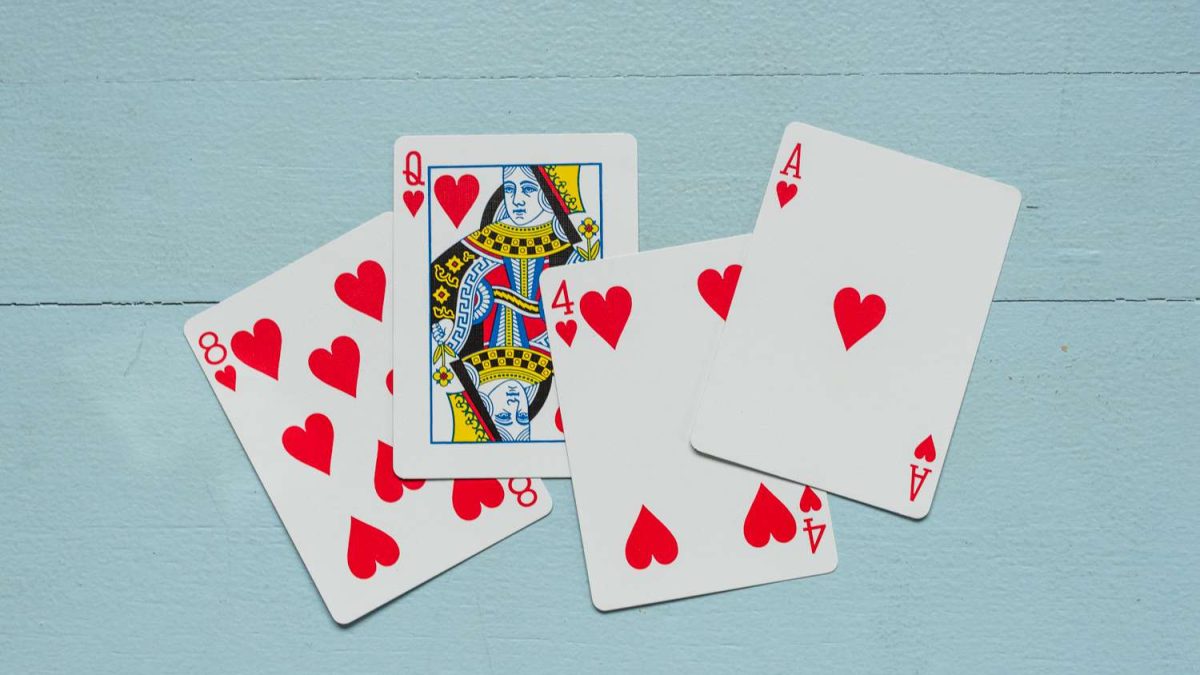
European Flourish: In medieval Europe, suits began to standardize. The French introduced the familiar hearts, diamonds, clubs, and spades.
-
Modern Standardization: With the invention of the printing press, decks became mass-produced, and games like poker, bridge, and solitaire began to take root in both public and private life.
Today, the 52-card deck is a universal symbol, recognizable and revered, capable of supporting a near-infinite variety of games, from solitary pastimes to international tournaments.
Categories of Card Games: One Deck, Endless Possibilities
Card games are astonishingly diverse. While all use the same basic materials, their mechanics, objectives, and cultural contexts vary widely.
-
Trick-Taking Games: These include classics like Bridge, Spades, and Hearts. Players compete to win rounds, or “tricks,” using strategy and anticipation.
-
Matching and Shedding Games: Think of Uno, Crazy Eights, or Go Fish—games often played in casual settings that focus on matching suits, numbers, or getting rid of cards first.
-
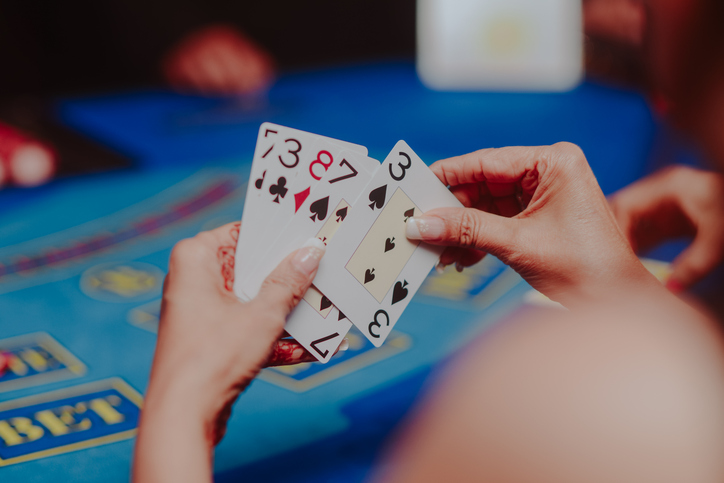
Gambling Games: Poker, Blackjack, and Baccarat fall into this category. They combine chance with psychological skill, offering both entertainment and the possibility of reward.
-
Solitaire Variants: Designed for single players, these games—most notably Klondike and Spider Solitaire—offer structured logic challenges and are beloved by millions worldwide.
-
Collectible Card Games (CCGs): In the digital age, new categories like Magic: The Gathering and Pokémon evolved the traditional deck into customizable, themed sets, blending storytelling with competitive play.
Each genre brings its own set of rules, rituals, and rhythms, tailored to different contexts, skill levels, and social preferences.
The Strategic Heart: Mental Agility and Emotional Intelligence
While many associate card games with leisure or chance, the truth is far more nuanced. Success in most card games hinges not just on the hand you’re dealt, but how you play it.
-
Probability and Decision-Making: Mastering card games requires a deep understanding of probability. Whether calculating outs in poker or anticipating your opponent’s next move in bridge, numerical literacy is crucial.
-
Bluffing and Reading Opponents: Particularly in competitive and gambling games, psychological acumen becomes as important as mathematical skill. Knowing when to bluff, fold, or push requires emotional control and an ability to read subtle cues.
-
Adaptability: No two games unfold the same way. Players must adjust strategies based on shifting variables, teaching flexibility and fast thinking.
Card games are, in essence, structured arenas for honing cognitive skills while indulging in the thrill of competition.
Social Connection: Cards as a Cultural Bridge
One of the most enduring qualities of card games is their capacity to bring people together. Whether gathered around a holiday table or huddled in a tournament hall, players find camaraderie in shared play.
-
Family Traditions: Many families pass down beloved card games across generations, using them to bond, teach values, and build lasting memories.
-
Cross-Cultural Appeal: Despite linguistic and cultural differences, card games serve as universal icebreakers. A deck of cards can transcend barriers, forging connections between strangers and nations alike.
-
Therapeutic and Educational Use: Card games are also used in therapy and education, aiding in memory retention, motor skills, and problem-solving abilities among children and seniors alike.
In an age of digital alienation, card games offer a tactile, face-to-face form of interaction that remains refreshingly human.
Card Games in the Digital Era: Tradition Meets Technology
As with nearly all aspects of modern life, card games have embraced the digital revolution. The rise of online platforms, mobile apps, and global tournaments has redefined how and where these games are played.
-
Mobile Accessibility: From Solitaire to PokerStars, card games are just a tap away, allowing players to engage anytime, anywhere.
-
Online Tournaments: Virtual competitions attract thousands of participants and even offer cash prizes, turning hobbyists into professionals.
-
Hybrid Play: Many modern games blend physical decks with digital interfaces, combining the best of both worlds—convenience and connection.
While some purists lament the shift away from in-person play, digital card games have introduced the genre to younger audiences and revitalized interest on a massive scale.
Notable Card Games and Their Cultural Footprint
A handful of card games have not only stood the test of time but have also become iconic within their respective genres.
-
Bridge: Known for its complexity and partnership dynamics, bridge is often regarded as the intellectual pinnacle of trick-taking games.
-
Poker: Arguably the most glamorous and globally recognized card game, poker combines strategy, psychology, and risk-taking in a uniquely potent mix.
-
Blackjack: A staple in casinos, blackjack is beloved for its blend of strategy and simplicity, offering one of the lowest house edges when played optimally.
-
Uno: Though not played with a traditional deck, Uno has become a cultural phenomenon, especially among families and casual players.
Each game leaves its own mark, influencing pop culture, literature, and even legal debates over gambling and competition.
Conclusion: Cards on the Table, Culture in the Hands
Card games are far more than a way to pass time. They are a microcosm of human experience—structured yet unpredictable, strategic yet social, rooted in tradition yet always evolving. With a humble deck of 52 cards, players step into worlds of logic, competition, and connection, navigating the fine line between fate and foresight. In a world that often feels chaotic and unmoored, card games offer a rare combination of order, engagement, and joy. They remind us that even in the randomness of the shuffle, there is art in how we play the hand we are dealt.