Blackjack

Blackjack Unveiled: Strategy, Psychology, and the Timeless Appeal of 21

Introduction: A Game of Numbers and Nerve

Blackjack, often dubbed “21,” stands apart from most casino games for one crucial reason—it is not purely a game of chance. It is a battle of minds between the player and the dealer, where skill, strategy, and emotional composure can tip the odds. Unlike the spinning randomness of a roulette wheel or the mechanical unpredictability of a slot machine, blackjack invites deliberate decision-making. It is this cerebral element, coupled with its elegant simplicity, that has earned blackjack an enduring place in both casino culture and popular imagination.

A Brief History: From French Salons to Las Vegas Lights

The precise origins of blackjack remain somewhat obscure, though most historians trace its roots to 17th-century France. The French game “Vingt-et-Un,” meaning “Twenty-One,” is widely considered the forerunner of modern blackjack.

  • European Foundations: The game gained traction in French gaming houses and later spread to Spain and Italy, evolving in both rules and popularity.

  • American Adaptation: As the game crossed the Atlantic, American casinos offered bonus payouts for a hand containing an ace of spades and a black jack—either of clubs or spades. Though the bonus was eventually dropped, the name “blackjack” stuck.

  • Modern Refinement: Today, blackjack is one of the most widely played casino games worldwide, prized for its relatively low house edge and engaging pace.

Its centuries-long evolution reflects a unique fusion of chance, mathematics, and culture, making it more than just another card game.

Understanding the Basics: Rules That Reward Reason

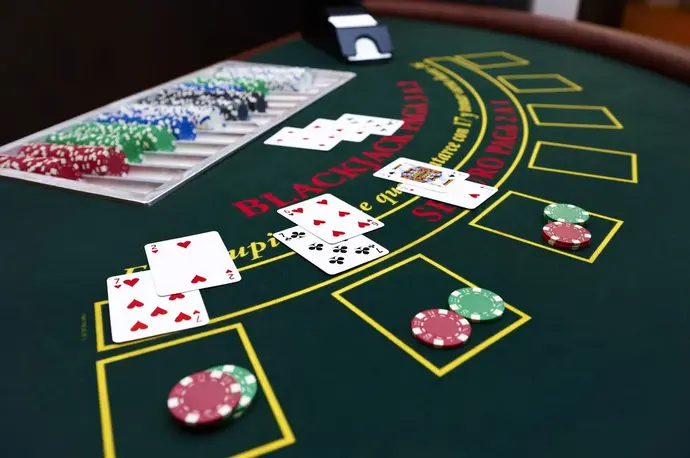
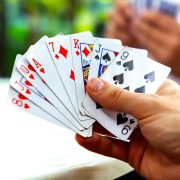
At its heart, blackjack is straightforward. The goal is to beat the dealer’s hand without going over 21. Each player is dealt two cards, and so is the dealer—one face-up, one face-down. Number cards are worth their face value, face cards are worth ten, and aces can count as either one or eleven.

  • Player Options:

    • Hit: Take another card in pursuit of a higher total.

    • Stand: Keep your current hand.

    • Double Down: Double your bet and take one final card.

    • Split: If dealt a pair, split them into two separate hands.

    • Surrender: Forfeit half your bet and withdraw from the round.

  • Dealer Rules: The dealer must hit on 16 or less and stand on 17 or more. In some variations, the dealer hits on a “soft 17” (a 17 that includes an ace).

These simple mechanics mask a world of nuanced decisions, particularly when you bring in strategy and probability.

Strategy and Skill: The Blueprint of a Blackjack Player

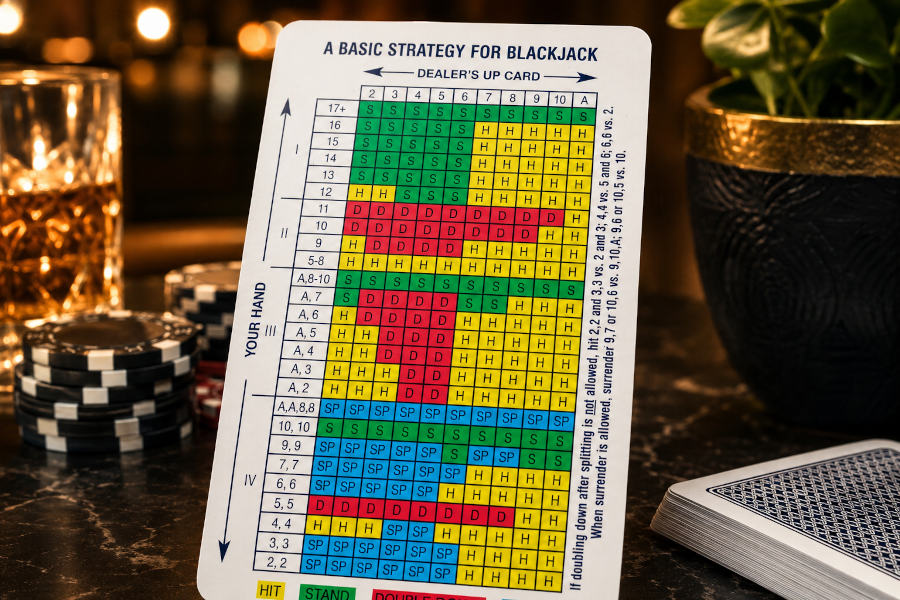
Unlike games driven entirely by randomness, blackjack rewards players who make statistically optimal decisions. This is where the famed “basic strategy” chart comes into play—a mathematically derived guide to the best action in every possible hand scenario.

  • Basic Strategy:

    • Tells you when to hit, stand, double down, or split.

    • Reduces the house edge from around 2% to as low as 0.5% with perfect play.

  • Card Counting:

    • A more advanced technique involving tracking the ratio of high to low cards left in the deck.

    • When the count is favorable (i.e., more tens and aces remain), players can increase their bets to capitalize.

    • While not illegal, card counting is frowned upon by casinos and can lead to being banned from the table.

These strategies introduce a chess-like dimension to blackjack, elevating it from chance-based gambling to a game of intelligent risk.

The Psychology of Play: Composure at the Table

In blackjack, numbers aren’t the only force at play—emotions run deep. The game’s pace can swing dramatically, and even experienced players may find themselves tempted by superstition or panic.

  • Managing Tilt: Losing streaks can lead to poor decisions. A successful blackjack player learns to maintain composure and stick to the strategy, regardless of short-term results.

  • Reading the Room: Though you’re playing against the dealer, the dynamics at the table—other players’ bets, tempo, and energy—can influence your experience.

  • Discipline Over Drama: The best blackjack players know when to walk away. Chasing losses or deviating from strategy due to a hunch often leads to poor outcomes.

Mental strength, like mathematical skill, is a hallmark of those who consistently perform well at the blackjack table.

The Allure of Blackjack: Why It Endures

Despite the countless gambling options in a modern casino, blackjack retains a special charm. Its accessibility draws beginners, while its depth challenges veterans.

  • Low House Edge: With optimal play, blackjack offers some of the best odds in the casino.

  • Simple Yet Sophisticated: Easy to learn, hard to master. The dual appeal makes it timeless.

  • Cultural Status: Blackjack has long been glamorized in films and novels, symbolizing cool-headed risk-taking and intellectual bravado.

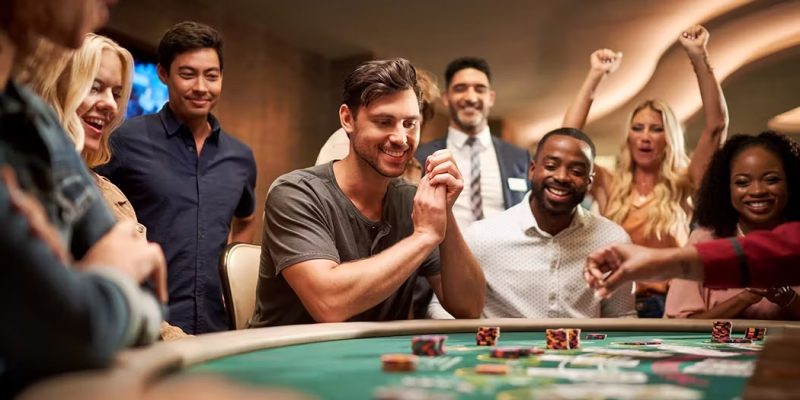
  • Social Interaction: Unlike solitary slots, blackjack is played at a communal table, allowing for camaraderie and interaction.

These qualities keep the game vibrant and relevant, from Monte Carlo to Macau, from bustling casino floors to online apps.

Online Blackjack: A New Era of Accessibility

The digital age has redefined how blackjack is played. With virtual tables, live dealers, and mobile-friendly platforms, anyone with an internet connection can now test their skills at any time.

  • Live Dealer Games: Streamed in real time, these games bridge the gap between digital convenience and real-world atmosphere.

  • Multi-Hand and Speed Variants: Players can choose faster formats or play multiple hands at once for more dynamic sessions.

  • Practice Tools and Simulators: Many online platforms offer free-to-play options, allowing new players to hone their skills without financial risk.

This accessibility has expanded blackjack’s global reach, attracting new generations of players while preserving its classic appeal.

Conclusion: The Elegant Equation of Blackjack

Blackjack is more than a card game—it is a cerebral pursuit that blends probability, psychology, and poise. Its continued relevance lies in its perfect balance: the randomness of the deal tempered by the logic of strategy, the thrill of the game offset by the discipline it demands. Whether played under the soft lights of a Monte Carlo salon or on a smartphone screen at home, blackjack remains a timeless test of wit and will. For those who approach it with understanding and respect, it offers not just the possibility of reward, but the deeper satisfaction of mastering a beautifully balanced game.

What's your reaction?

Excited
0
Happy
0
In Love
0
Not Sure
0
Silly
0

You may also like

More in:Blackjack