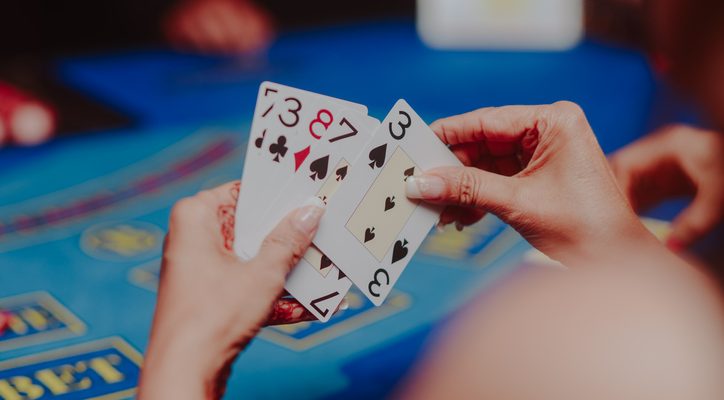
 By Trenton Sam
Card games occupy a unique space in human history, bridging cultures, generations, and social classes for over a millennium. Long before digital screens and video consoles dominated entertainment, pieces of decorated paper served as the ultimate universal pastime. From the imperial courts of ancient dynasties to smoky European taverns and modern family living rooms, playing cards have evolved from exclusive luxury items into mass-produced tools for social connection, strategy, and recreation. Tracing the trajectory of these games reveals a fascinating story of global trade, artistic craftsmanship, and relentless human ingenuity.
The Ancient Origins in East Asia
The earliest historical records of playing cards point toward ancient China, specifically during the Tang dynasty. Archaeological evidence and historical literature suggest that paper money games paved the way for dedicated gaming cards. As woodblock printing technology advanced, craftsmen began producing lightweight, patterned cards featuring suit-like symbols and value hierarchies.
-
The Money Suit System: Early Chinese decks were often divided into suits representing coins, strings of coins, and myriads of coins, mirroring actual currency denominations of the era.
-
Cultural Diffusion: Through bustling trade routes along the Silk Road, these early gaming concepts gradually migrated westward into the Islamic world and eventually into medieval Europe.
-
The Transition to Europe: By the late fourteenth century, hand-painted playing card decks began appearing across Italian, German, and French principalities, initially owned exclusively by wealthy nobility due to high manufacturing costs.
The Standardization of Suits and Court Cards
When playing cards spread through Europe, different regions adapted the suits and face designs to fit local cultural aesthetics and social hierarchies. The early Italian and Spanish decks utilized swords, cups, coins, and clubs, symbols that still survive in traditional tarot and regional games today. However, it was French card makers in the fifteenth century who introduced the streamlined suit system that dominates the global market today.
-
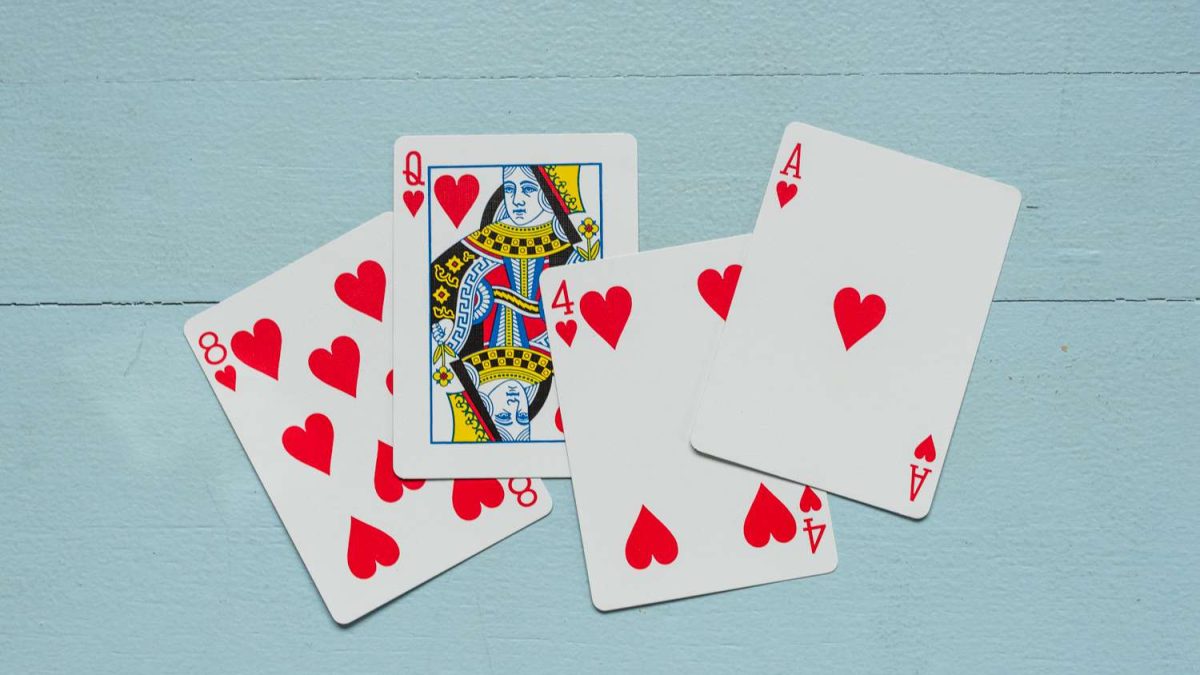
The Four French Suits: French artisans simplified production by creating hearts, diamonds, spades, and clubs, which were easier and cheaper to stencil onto paper using woodblock techniques.
-
Historical Royalty Themes: Court cards were historically assigned names and identities drawn from classical and biblical mythology, such as representing kings as biblical figures or legendary monarchs.
-
Reversible Face Cards: For centuries, court cards were depicted as full-length figures, meaning players had to flip them right-side up. The invention of double-ended, reversible cards in the nineteenth century eliminated this annoyance and streamlined hand sorting.
The Industrial Revolution and Mass Production
For hundreds of years, playing cards were luxury goods crafted by skilled artisans who hand-painted or meticulously stenciled every single piece. The Industrial Revolution fundamentally transformed the industry, making durable playing cards accessible to the general public for the first time.
-
Lithographic Printing: The invention of high-speed lithography allowed factories to print thousands of decks daily with vibrant colors and uniform backs.
-
Plastic Coating Innovation: Manufacturers introduced cellulose acetate and plastic-coated paper finishes, drastically increasing card durability and resistance to wear and tear during intense gameplay.
-
Standardization of Deck Size: The fifty-two-card deck with two jokers became the undisputed global standard, cementing the framework for hundreds of distinct regional and international games.
Traditional Games That Shaped Modern Culture
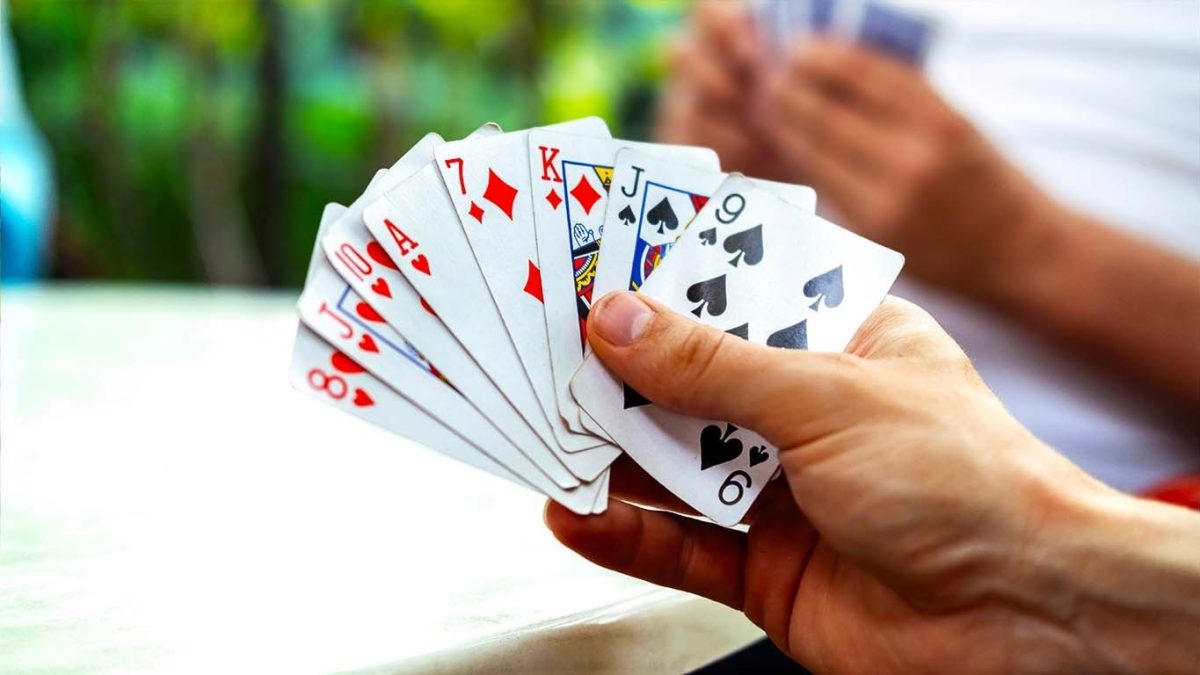
As decks became universally available, specific games emerged that captured the public imagination and laid the groundwork for competitive gaming leagues. Games like poker, bridge, whist, and blackjack evolved from informal tavern pastimes into structured intellectual sports governed by complex rulebooks and international associations.
-
Whist and Bridge: Whist dominated European drawing rooms for centuries before evolving into contract bridge, a game of deep partnership communication and analytical strategy praised by intellectuals and statesmen alike.
-
Poker and Bluffing Culture: Originating along the American Mississippi River trade routes by blending elements of French and Persian wagering games, poker introduced psychological warfare and risk management to card play.
-
Regional Trick-Taking Games: Across Europe and Asia, games like tarot, belote, and hanafuda maintained deep cultural roots, reinforcing community bonds through annual tournaments and family gatherings.
The Transition from Physical Felt to Digital Screens
The twenty-first century introduced the biggest structural shift in the history of card games. While physical decks remain immensely popular for traditional gatherings, digital transformation has redefined how millions of people play. Software applications and online platforms allow players across different continents to compete instantly in bridge, poker, and solitaire without needing a physical table. Yet, despite the rise of digital interfaces, the tactile ritual of shuffling a paper deck and holding physical cards continues to hold timeless appeal.
Frequently Asked Questions
Which country invented the first playing cards?
Historical records indicate that playing cards originated in China during the Tang dynasty, evolving from paper currency gaming tokens into illustrated sheets.
Why do standard decks have fifty-two cards?
The fifty-two-card deck corresponds roughly to the lunar calendar, featuring four suits representing the four seasons and thirteen cards per suit representing the weeks in a quarter.
How did the joker card get introduced to the deck?
The joker was invented in the United States during the nineteenth century as an extra wild card specifically created for the game of Euchre.
Are traditional card games still relevant in the digital age?
Yes, traditional card games maintain massive global popularity through both physical board game nights and heavily populated online multiplayer applications.
What is the oldest continuously played card game in Europe?
Several trick-taking games claim deep historical roots, with regional variants of tarot and specific Spanish and Italian games dating back several centuries.
Why did French card makers change the traditional suits?
French manufacturers simplified suits into hearts, diamonds, spades, and clubs because those geometric shapes were significantly easier and cheaper to print using woodblock stencils.
How did playing cards influence modern board games?
Card mechanics such as drafting, hand management, and deck-building now form the foundational backbone of thousands of modern tabletop and strategy board games.