 By Trenton Sam
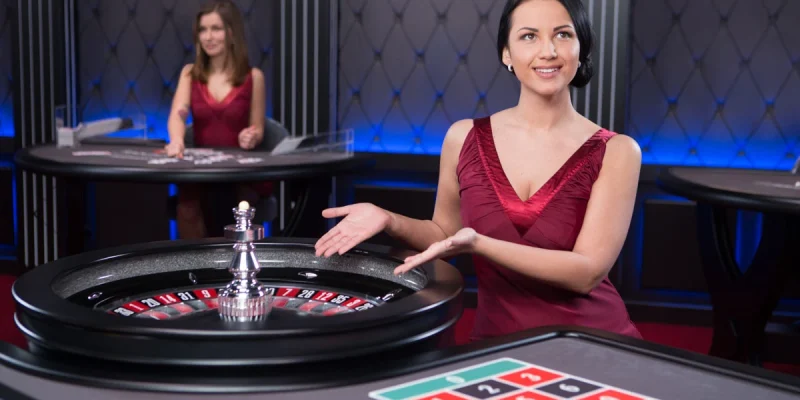
Dealer training for bitcoin live roulette tables covers a structured sequence that moves from foundational wheel mechanics through to live session conduct standards. Dealers operating tables where physical game mechanics and bitcoin transaction processing occur within the same session environment require training that addresses both the physical and procedural elements of the role before they are cleared to operate a live table. The training structure is divided into defined stages rather than delivered as a single programme. Each stage must be completed to a documented standard before the dealer progresses to the next, which means no dealer reaches live session conduct training without first completing wheel handling, bet acceptance, and camera presence stages in sequence.
Dealer entry requirements
Dealer entry into live roulette table training begins with an assessment of foundational competencies that must be present before wheel-specific training starts. Candidates are assessed on manual dexterity, communication clarity under observation, and the ability to follow procedural sequences without prompting. These entry requirements exist because wheel handling and live session conduct cannot be trained effectively in candidates who have not demonstrated baseline competency in the physical and communicative elements the role requires.
Wheel handling training
Wheel handling training covers the physical mechanics of consistent ball release.
- The candidate learns the correct grip and release position for the ball relative to the ball track entry point.
- Ball speed consistency is practised across repeated releases until the candidate achieves a measurable standard of spin duration variance.
- The candidate completes supervised spin sessions where the release technique is assessed against the studio’s documented standard before progressing.
Bet acceptance procedure
Bet acceptance procedure training covers how dealers monitor and close the betting period during a live session.
- Dealers learn the visual and audio cues used to announce the betting period open and closed.
- Monitoring the active bet display during the betting period is practised until the dealer can track bet activity without breaking attention from the wheel.
Camera presence standards
Camera presence training prepares dealers to perform all table functions within the camera’s capture zone without obstructing the optical recognition system’s view of the wheel. Dealers learn the studio’s defined movement boundaries during a spin, the correct head and body position during the betting period, and the procedure for announcing results in a manner that is audible to the session audio feed without disrupting the result capture sequence.
Bitcoin transaction awareness
Bitcoin transaction awareness training covers what dealers are required to know about how player balances are updated during a live session. Dealers operating tables that accept bitcoin are not trained to process transactions directly but are trained to understand the result transmission sequence, so they recognise when a result delivery failure has occurred and can follow the correct procedure for flagging a round that requires technical review before the next spin begins.
Live session conduct
Conducting live session training is the final stage before a dealer is cleared to operate a live roulette table that accepts bitcoin independently. This stage covers pacing between rounds, handling technical interruptions, maintaining consistent verbal announcements across extended sessions, and following the escalation procedure when a round cannot be completed under normal parameters.
Dealer training for live roulette tables that accept bitcoin produces operators who can manage the physical, procedural, and communicative demands of a live session simultaneously. Each training stage addresses a distinct element of the role, and the sequential structure ensures no stage is bypassed before the dealer reaches the live environment.