 By Trenton Sam
Introduction: A Modern Icon of Chance and Entertainment
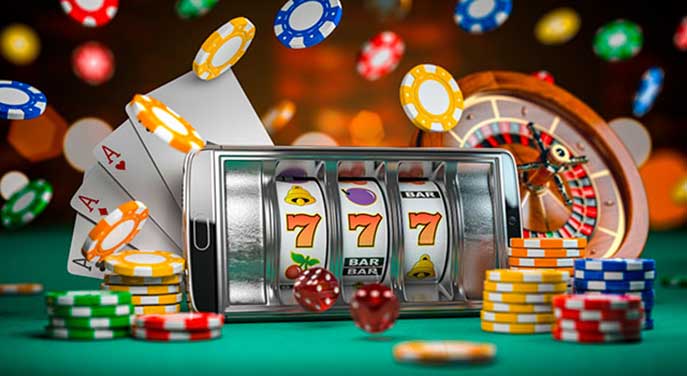
Few sights are as instantly recognizable in a casino as the glowing rows of slot machines. With their flashing lights, catchy jingles, and inviting graphics, slot machines have evolved into the heartbeat of modern gaming floors. Often underestimated as mere games of luck, these machines are, in fact, masterpieces of psychological design and engineering. From humble mechanical beginnings to immersive digital experiences, slot machines have transformed over time into captivating devices that blur the line between entertainment and compulsion. Their widespread appeal is no accident—rather, it is the result of careful calibration of design, probability, and human behavior.
The History of Slot Machines: From Liberty Bell to Digital Dominance
Slot machines have a storied history that reflects not only technological evolution but also shifts in societal attitudes toward gambling and entertainment.
-
The First Slot Machine: Invented in 1895 by Charles Fey in San Francisco, the Liberty Bell was the prototype that defined the modern slot format. With three spinning reels and five symbols, including horseshoes, bells, and playing cards, it offered automatic payouts and became an instant success.
-
Mechanical Marvels of the 20th Century: As technology progressed, slot machines grew in complexity. Electromechanical slots, introduced in the 1960s, allowed for larger payouts and more varied betting options.
-
Video Revolution: The 1980s ushered in the age of video slots, replacing mechanical reels with digital screens. These machines introduced bonus rounds, animated themes, and multi-line play.
-
Online and Mobile Era: Today’s slots exist not just in casinos but on smartphones, tablets, and desktops. Online platforms host thousands of games, ranging from classic fruit machines to narrative-driven adventures with high-definition graphics and interactive features.
This trajectory mirrors the broader transition from analog amusement to immersive digital entertainment, making slots accessible to a global audience 24/7.
The Mechanics of Play: Simplicity Meets Sophistication
At first glance, playing a slot machine appears straightforward. You place your bet, spin the reels, and hope for matching symbols. Yet behind the curtain lies a complex interplay of mathematics and mechanics.
-
Random Number Generators (RNGs): Modern slots rely on RNG software to determine outcomes. This ensures that every spin is independent and random, immune to patterns or manipulation.
-
Paylines and Reels: While traditional slots featured three reels and a single payline, today’s machines may have five or more reels and hundreds of paylines. More paylines increase potential combinations and enhance player engagement.
-
Symbols and Payouts: Common symbols include fruits, bars, sevens, and themed icons. Higher-paying symbols often appear less frequently, increasing the anticipation and excitement of big wins.
-
Bonus Features: Free spins, multipliers, wilds, scatters, and mini-games add variety and depth. These features not only boost potential rewards but also keep players entertained for longer periods.
The brilliance of slot design lies in this balance of simplicity and sophistication, offering a low barrier to entry while sustaining long-term interest.
The Psychology of Slots: Designed to Captivate
Perhaps more than any other casino game, slot machines are engineered to tap into the human psyche. Their enduring popularity is largely due to how they interact with core psychological triggers.
-
Near Misses: A spin that shows two matching symbols and a third just above or below the payline creates the illusion of being “close to winning.” This fuels continued play by suggesting that success is just around the corner.
-
Variable Reward Schedules: Borrowed from behavioral psychology, variable rewards—unpredictable wins at irregular intervals—create compulsive engagement. This is the same mechanism that makes social media and video games so addictive.
-
Sound and Light Effects: Every win, no matter how small, is accompanied by celebratory visuals and uplifting music. These sensory rewards reinforce positive feelings and keep players spinning.
-
Losses Disguised as Wins: Some machines are programmed to play win-like sounds even when the payout is less than the original bet. This illusion of success tricks the brain into perceiving a win.
These elements are not accidental; they are purpose-built to extend play time and increase overall spend, all while maintaining the player’s sense of control and entertainment.
The Rise of Themed and Branded Slots: Entertainment Meets Gaming
Modern slot machines often resemble arcade games or mini-movies, complete with characters, storylines, and cinematic effects.
-
Licensed Content: Slots themed around popular TV shows, films, musicians, and video games have surged in popularity. From Game of Thrones to The Walking Dead, these machines capitalize on existing fanbases.
-
Interactive Elements: Some slots feature choose-your-own-adventure mechanics or branching storylines, creating a hybrid between gaming and gambling.
-
Customizable Experiences: Players can often choose betting levels, bonus paths, and even themes within a single machine, allowing for personalized play styles.
This convergence of entertainment and gambling transforms slots into more than just games of chance—they become immersive experiences tailored to modern consumer expectations.
Responsible Gaming: The Other Side of the Coin
While slot machines are designed for enjoyment, they also come with inherent risks. Their compelling nature can lead to problem gambling if not approached with caution.
-
Time and Money Limits: Many online platforms and physical casinos now offer tools for players to set limits on their spending and session length.
-
Reality Checks and Cool-Off Periods: Features such as pop-up reminders and mandatory breaks are designed to interrupt compulsive behavior.
-
Education and Awareness: Increasingly, operators are required to display information about the odds of winning and resources for gambling addiction support.
-
Regulation and Compliance: Licensing bodies enforce strict guidelines on machine fairness, payout percentages, and responsible gaming practices, ensuring a baseline of consumer protection.
Understanding both the excitement and the potential hazards of slot play is key to maintaining a healthy relationship with the game.
Conclusion: The Allure of the Spin
Slot machines have evolved from simple coin-operated novelties into dynamic, multi-sensory experiences that captivate millions worldwide. Their appeal lies in their accessibility, the thrill of uncertainty, and the meticulously crafted environments that surround them. Whether played for fun or fortune, slots offer a unique intersection of chance, design, and psychology. And while the mechanics may have changed over the decades, the fundamental allure of the spin—the brief, electric moment of possibility—remains as powerful today as it was over a century ago.
In the world of gaming, few experiences are as universal, immediate, and emotionally charged as a pull of the lever or the press of a button. The symbols spin, the lights dance, and for a few suspended seconds, anything seems possible.