 By Trenton Sam
Introduction: Where Risk Meets Glamour
The casino is one of the most iconic settings in both real life and fiction—a place where fortunes are made, lost, and dreamed of. Cloaked in soft lighting and the quiet hum of chance, casinos are more than mere gambling halls; they are theatrical spaces of suspense, luxury, and controlled chaos. From the grand salons of Monte Carlo to the electric vibrance of Las Vegas, the modern casino straddles the fine line between fantasy and financial calculation. But beneath the polished surface lies a world governed by psychology, design, and probability—a world meticulously crafted to captivate, entertain, and retain.
A Brief History: From European Aristocracy to Global Entertainment
The concept of gambling is as old as civilization itself, but the formal institution of the casino has a relatively modern origin.
-
The First Casinos: The word “casino” originates from the Italian “casa,” meaning house. Early iterations were more akin to social clubs or gentlemen’s parlors. The first true casino, the Ridotto, opened in Venice in 1638 and catered to aristocrats seeking refined entertainment during the carnival season.
-
American Expansion: As gambling migrated to the United States, it shed its upper-class exclusivity and embraced a broader, more rugged appeal, particularly during the Gold Rush era. By the 20th century, Las Vegas would emerge as the global capital of gaming and entertainment.
-
Modern Renaissance: Today, casinos exist on nearly every continent, with destinations like Macau, Singapore, Monte Carlo, and Atlantic City attracting millions annually. They have evolved into entertainment complexes offering fine dining, live performances, spas, and luxury retail alongside their gaming floors.
What began as a pastime for the elite is now a multi-billion-dollar industry that appeals to a vast, diverse audience.
The Architecture of Seduction: Design, Psychology, and Immersion
Casinos are not just built; they are engineered—down to the last inch—to influence behavior. Every detail, from carpet patterns to the absence of clocks and windows, serves a deliberate purpose.
-
Labyrinthine Layouts: Unlike shopping malls or airports, casinos are intentionally disorienting. Curved walkways and maze-like arrangements encourage exploration and reduce your sense of time and direction.
-
Ambient Design: Soft lighting, plush textures, and a controlled soundscape create a sensory cocoon. The goal is comfort and immersion, allowing players to lose themselves in the moment.
-
Chip Usage: Using chips instead of cash abstracts money into colorful tokens, subtly reducing the psychological impact of losses and encouraging continued play.
-
Slot Machine Placement: High-payout machines are often strategically placed to entice new players, while frequent low-payout machines keep players engaged through the illusion of consistent success.
These elements create a seamless blend of hospitality and manipulation, making the casino environment uniquely engaging—and difficult to leave.
Games of Chance and Skill: The Casino’s Core Offerings
The heartbeat of any casino is its gaming floor, a realm where chance and skill intersect in a carefully curated array of options.
-
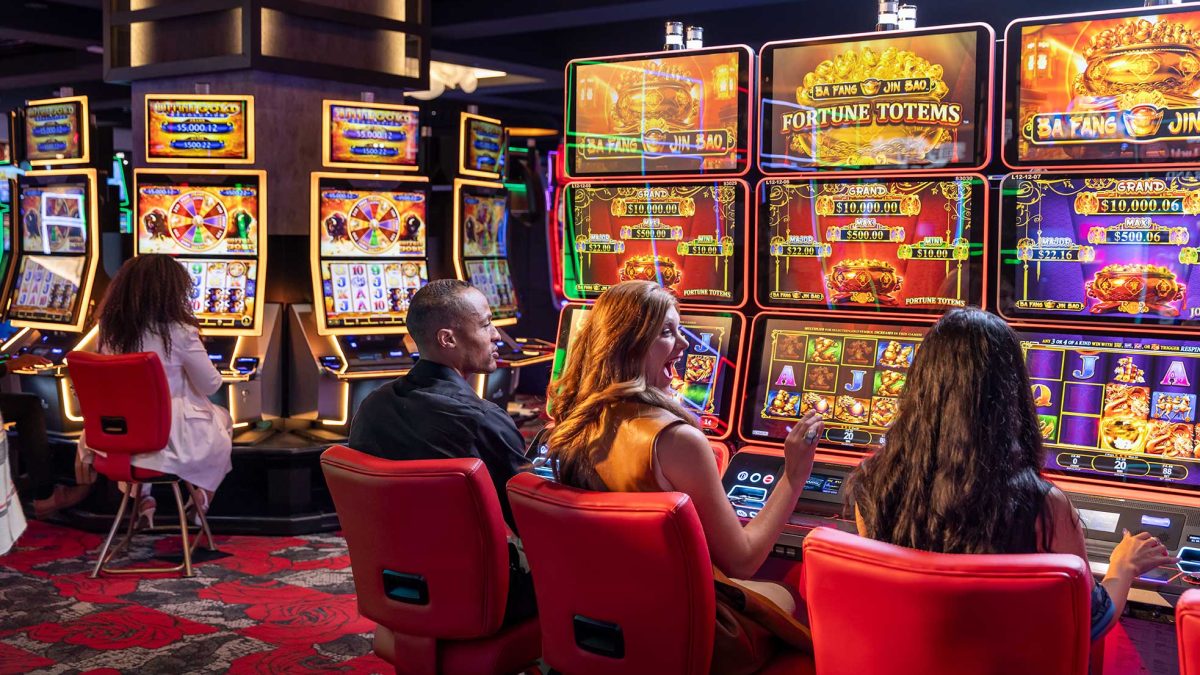
Slot Machines: Often referred to as the “bread and butter” of the industry, slots generate the majority of revenue for many casinos. Their vibrant lights, engaging themes, and fast play cycles offer instant gratification.
-
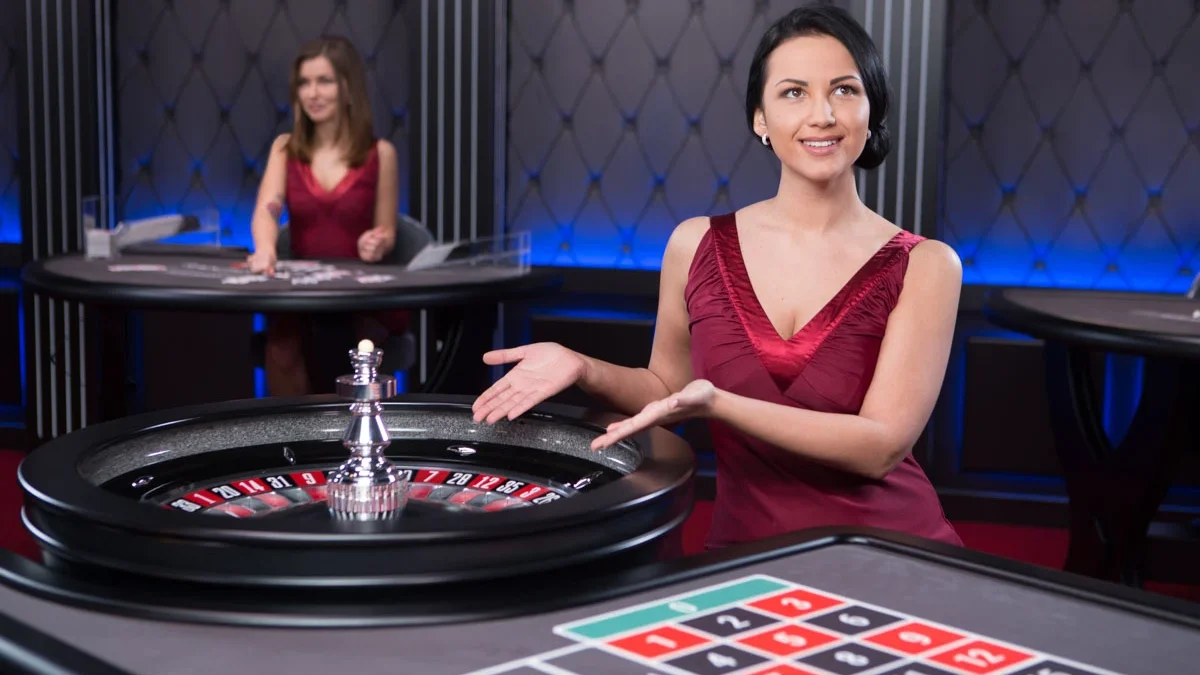
Table Games: These include blackjack, roulette, baccarat, craps, and poker variants. They vary in complexity and odds, with some offering players a significant edge through skill (such as poker), while others rely almost entirely on chance (like roulette).
-
High-Stakes Rooms: Reserved for VIPs and serious gamblers, these exclusive areas offer higher betting limits, private dealers, and personalized service. They represent both the mystique and the risk of the casino’s upper echelons.
-
Electronic Gaming: Rapidly gaining popularity, digital versions of traditional table games and hybrid experiences attract a younger, tech-savvy demographic.
Each game is designed with a subtle balance of excitement and risk, keeping players engaged while maintaining a steady house advantage.
The House Edge: Calculated Entertainment
No matter how lucky a player may feel, the odds always favor the house. This statistical advantage—known as the house edge—is built into every game.
-
Understanding the Edge: Blackjack might offer a house edge as low as 0.5% with optimal play, while some slots can exceed 10%. The edge ensures long-term profitability for the casino, even if individual players occasionally win big.
-
Player Behavior: Many players ignore or misunderstand odds, relying instead on intuition, superstition, or emotion. Casinos quietly rely on these tendencies to enhance their profitability.
-
Comp Programs: To encourage prolonged play, casinos offer loyalty points, free meals, or even hotel stays—small costs compared to the revenue generated by keeping a player at the tables longer.
Ultimately, the house edge is a lesson in risk management, both for players and the institutions that host them.
Beyond Gambling: The Casino as a Modern-Day Coliseum
In recent decades, casinos have transformed into full-scale entertainment resorts, offering experiences far beyond the gaming tables.
-
Live Entertainment: From Cirque du Soleil performances in Las Vegas to international pop concerts in Macau, casinos are now synonymous with world-class entertainment.
-
Fine Dining and Celebrity Chefs: Michelin-starred restaurants and culinary partnerships elevate the gastronomic landscape, attracting food enthusiasts as much as gamblers.
-
Wellness and Retail: Luxury spas, designer boutiques, and exclusive clubs add layers of appeal for non-gamblers and affluent travelers.
-
Conferences and Conventions: Many casinos now feature expansive convention centers, hosting everything from tech expos to business summits.
This diversification ensures that the modern casino is not just a destination for gamblers, but a multifaceted hub of culture, luxury, and leisure.
Casino Culture and Controversy: A Delicate Balance
While casinos symbolize glamor and excitement, they also raise serious social and ethical questions.
-
Problem Gambling: For some, the casino becomes a place of addiction rather than amusement. Responsible gaming programs, self-exclusion options, and community outreach have become essential safeguards.
-
Economic Impact: Casinos can boost local economies, create jobs, and attract tourism. However, critics argue that they may also lead to increased crime, gentrification, and economic disparity.
-
Regulation and Licensing: Strict legal frameworks govern casino operations, ensuring fairness, transparency, and security. Yet regulation varies dramatically by region, leading to a complex global landscape.
Navigating these complexities is part of what makes the casino industry both challenging and fascinating.
Conclusion: The Allure That Endures
The casino is a paradox: it is a temple of excess built on calculated restraint, a realm of randomness governed by intricate rules, a place where dreams are both fulfilled and deferred. Its appeal is not merely the chance to win money, but the promise of drama, elegance, and escape. Whether you walk its velvet-lined corridors as a seasoned player, a wide-eyed tourist, or a curious observer, the casino invites you into a world where every deal, every spin, every roll, is a story waiting to unfold. And it is this mix of theater and thrill, risk and reward, that ensures the casino will remain an enduring symbol of entertainment for generations to come.