Casino

Beyond the Velvet Ropes: Unraveling the Allure and Complexity of the Modern Casino

Introduction: More Than Just a Game

The word “casino” conjures vivid imagery—gleaming chandeliers, the rhythmic clatter of chips, a symphony of digital beeps from rows of slot machines, and the unmistakable tension of high-stakes anticipation. Yet a casino is more than a place to gamble; it is a microcosm of human psychology, design ingenuity, and economic strategy. While some see it as a playground of luck, others view it as a battleground of probability. In this article, we explore the nuanced world of the modern casino: its origins, its inner workings, the experience it offers, and the profound forces—both visible and invisible—that make it one of the most compelling social spaces in the world.

The Evolution of Casinos: From Saloon to Superstructure

Casinos have a surprisingly ancient pedigree. Early iterations appeared in 17th-century Italy—the word “casino” originally referred to a small villa or summerhouse, often a venue for pleasure and leisure. Gambling as an organized activity gained traction in Venice with the opening of the Ridotto in 1638, considered the world’s first true casino. Over centuries, these establishments evolved alongside society’s attitudes toward risk, regulation, and recreation.

In the 20th century, Las Vegas emerged as the glittering heart of gambling culture, turning the casino from a discreet affair into a full-blown entertainment empire. Today’s casinos exist everywhere—from the luxurious resorts of Macau to floating gambling cruises and sleek online platforms accessed by millions at any hour. Their evolution reflects not only shifts in law and technology but also an enduring fascination with the possibility of reward through risk.

Inside the Casino: Architecture of Attention

One of the most fascinating aspects of a casino is its design. Everything—from the color of the carpet to the absence of clocks and windows—is intentional. Casinos are designed to blur the passage of time and keep players engaged. The layout is often a labyrinth, leading visitors past tables, machines, and restaurants in a fluid but subtly disorienting way. The psychology is clear: time and spatial awareness reduce focus on gambling; distraction keeps the chips moving.

Lighting plays a pivotal role. Warm, low-hung lights create an atmosphere of intimacy and concentration, while dazzling overhead fixtures lend an air of occasion. Even the scent of the air—pumped with carefully chosen aromas—is engineered to keep patrons relaxed and stimulated.

The Games People Play: From Chance to Skill

Casinos cater to a wide range of gamblers, from the casual slot machine spinner to the seasoned poker strategist. Each game has its own rhythm, rules, and psychological allure.

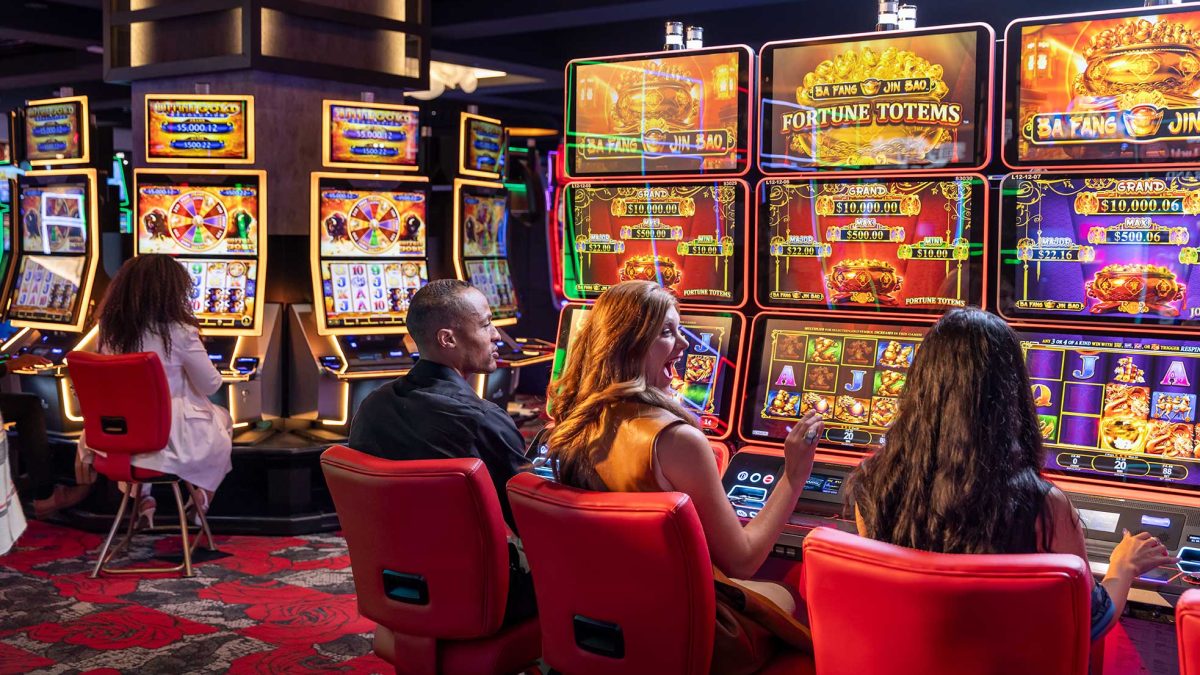
  • Slot Machines: Often considered the lifeblood of a casino, they appeal through simplicity, rapid play, and sensory feedback. Bright colors, jingles, and instant gratification make them highly addictive.

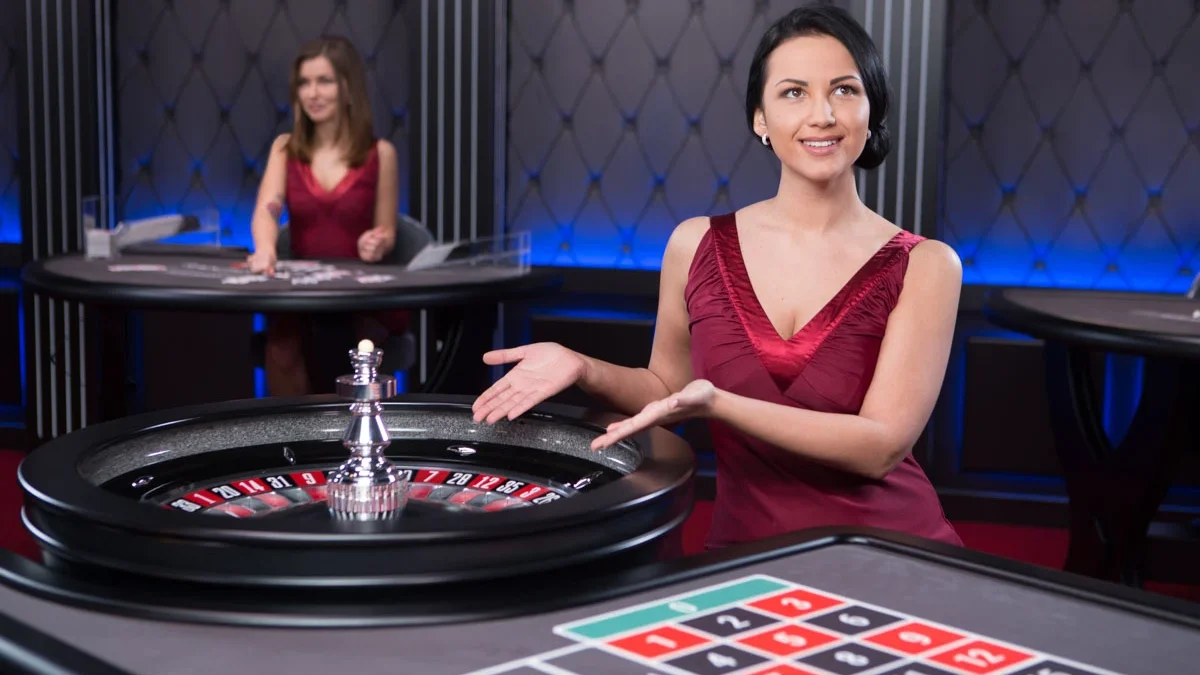
  • Roulette: A classic game of chance that thrives on suspense. The spinning wheel and bouncing ball create a near-hypnotic spectacle.

  • Blackjack: Combining luck and skill, blackjack allows players to influence outcomes, giving the illusion of control and increasing engagement.

  • Poker: A game of strategy, psychology, and calculation, it attracts a more analytical crowd. The casino typically earns from poker through rake, not odds.

  • Craps and Baccarat: These communal games often build an energetic crowd dynamic, reinforcing social thrill.

Each game is meticulously calibrated with a house edge—a statistical advantage that ensures profitability over time. While individual players may win, the casino, by design, always wins in the long run.

Casinos as Cultural Theaters

Casinos are not just venues of gambling; they are cultural theaters. High-rollers in tuxedos, honeymooners seeking novelty, retirees testing luck, businesspeople making discreet deals—the diversity of characters is striking. For many, a casino visit is not about serious gambling but about immersion in an environment of heightened glamour and suspended reality.

This theatrical quality extends to the service experience. Luxury casinos invest heavily in customer care—offering complimentary drinks, gourmet dining, spa treatments, and personalized hosts for VIPs. The goal is simple: prolong the stay, elevate the experience, and ensure loyalty.

The Digital Casino: A New Frontier

In recent years, technology has transported the casino experience into the digital realm. Online casinos and mobile betting platforms have exploded in popularity, especially among younger demographics. With live dealer games, real-time play, and immersive graphics, the line between physical and virtual casinos is increasingly blurred.

While accessibility has increased, so too have concerns about regulation, fraud, and addiction. Digital platforms must now contend with ethical responsibilities similar to their physical counterparts. Many have introduced tools such as deposit limits, time reminders, and self-exclusion options, though enforcement remains uneven.

Economic Impact and Ethical Considerations

Casinos contribute significantly to local and national economies through employment, tourism, and taxation. In regions like Nevada or Macau, they are integral to the economic fabric. They fund public infrastructure, education, and cultural projects. However, the benefits are not without drawbacks.

Critics argue that casinos can exacerbate social inequalities, contribute to addiction, and prey on vulnerable populations. Problem gambling affects not only individuals but families and communities. While many casinos support responsible gambling initiatives, the balance between profit and protection remains a delicate one.

Responsible Engagement: How to Enjoy Without Risk

Casinos, when approached with mindfulness, can offer a unique form of entertainment. Like any indulgence, the key lies in moderation. Here are a few guiding principles for a responsible casino experience:

  • Set a Clear Budget: Decide beforehand how much you’re willing to lose. Consider it an entertainment expense, not an investment.

  • Know the Rules: Understanding the mechanics of a game not only improves your odds but enhances enjoyment.

  • Avoid Emotional Gambling: Never bet under stress or as a coping mechanism. Clarity of mind is essential.

  • Take Breaks: Stepping away from the action helps reset your judgment.

  • Celebrate the Experience, Not Just the Outcome: A night at the casino can be memorable even without a jackpot. Focus on the ambience, conversation, and spectacle.

Conclusion: The Casino as Mirror and Mirage

Casinos embody the dual nature of human ambition—the yearning for reward and the willingness to take risk. They are environments that both reflect and amplify our deepest instincts: the thrill of the unknown, the power of choice, and the seduction of chance. When approached with self-awareness, a visit to a casino can be a dazzling encounter with the boundaries of luck and logic. Yet, like all powerful experiences, it deserves careful navigation.

In the end, the casino is not just a house of games—it is a stage where fortune performs its most captivating act. Whether you walk out richer, wiser, or simply entertained depends less on the odds and more on the mindset you bring with you.

What's your reaction?

Excited
0
Happy
0
In Love
0
Not Sure
0
Silly
0

You may also like

More in:Casino